


 Facebook
 Twitter
 Instagram
 YouTube
How to Create and Implement Organization Schema on a Website



If your website represents a company or brand and you want search engines to clearly identify the organization behind it, you need to implement Organization structured data correctly.
When configured properly, this schema helps search engines understand key business details such as the company name, logo, website, and social profiles, improving how your brand appears in search results.
Also Read: What Types of Schema Markup Can Be Implemented?
What is Organization Schema?
Organization schema is structured data used to describe a company or institution that operates a website.
It provides search engines with important information about the business, including:
- Business name
- Website URL
- Company logo
- Contact information
- Social media profiles
- Business address
Instead of relying on search engines to gather this information from different parts of your website, structured data presents these details in a clear and organized format. This helps search engines better understand the brand behind the site.
Why Structured Data for Organizations is Important
Search engines increasingly focus on understanding entities rather than just individual webpages. Structured data helps define your organization as a recognizable entity in search.
When implemented correctly, it can help:
- Improve brand recognition in search
- Connect your website with official social profiles
- Strengthen entity signals for your company
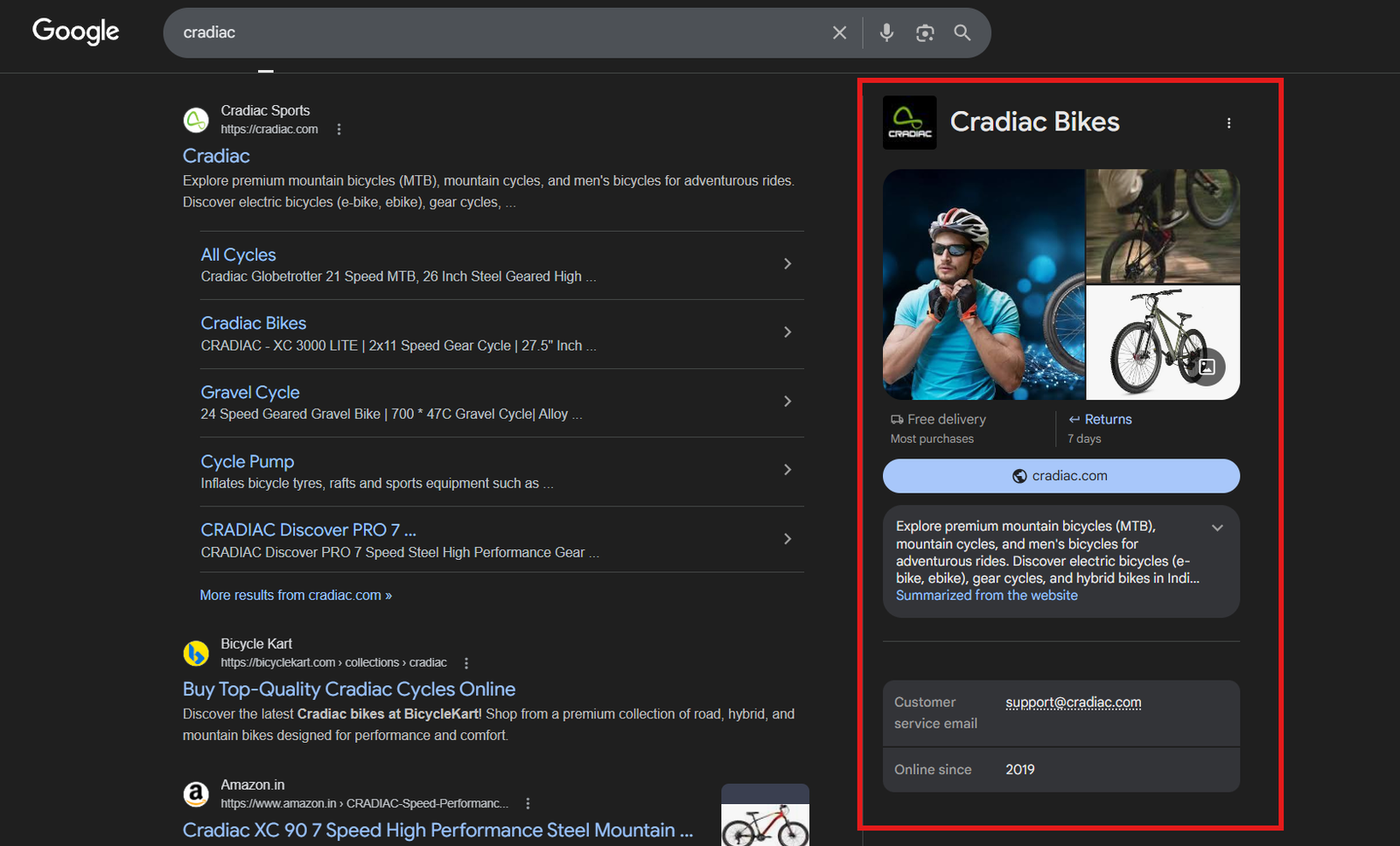
- Support knowledge panel visibility
- Improve consistency of business information across platforms
Even when there is no visible rich result, this markup strengthens how search engines interpret your brand.
Where This Schema Appears in Search
This structured data supports several features in search results, including:
- Brand search results
- Knowledge panels
- Logo display in search
- Connections between websites and official profiles
Although it may not always generate a visible rich result, it helps search engines understand the organization behind the website more accurately.
When Should You Use It?
This markup should be implemented when:
- Your website represents a company or organization
- You want search engines to clearly recognize the brand behind the site
- Your business has official social media profiles
- You want to strengthen brand signals in search results
It is typically added to:
- The homepage
- About pages
- Global website templates
Most company websites benefit from implementing this structured data.
When Should You Avoid Using It?
You should avoid using this markup when:
- The website does not represent a business entity
- Business information is incomplete or inaccurate
- The structured data does not match the visible content on the website
If your company operates from a physical location where customers visit, you may also consider implementing Local Business schema alongside this markup.
How It Works
Structured data describes your organization in a format that search engines can easily interpret.
When search engines crawl your website:
- They read the structured data.
- They identify the business name, logo, and website.
- They connect the website with official social profiles.
- They recognize the company as an entity.
This helps search engines understand the relationship between your website, your brand, and other online profiles.
Core Elements of the Markup
A properly structured implementation usually includes several important properties.
@type
This property defines the type of entity being described. In this case it is set to Organization, indicating that the structured data represents a company or institution.
name
The name property represents the official name of the business. It should match the name used on your website and other online listings.
url
This property specifies the main website address of the organization, typically the homepage.
logo
The logo property provides the direct URL of the company’s official logo image. Search engines may use this information when displaying brand results.
contactPoint
This property defines the contact method for the organization, such as customer support phone numbers.
sameAs
The sameAs property links the website with official social media profiles or trusted listings. This helps search engines confirm that these profiles represent the same organization.
address
The address property describes the registered location of the organization.
Implementation Example Using JSON-LD
JSON-LD is the recommended format because it keeps structured data separate from visible page content and is easier to maintain.
<script type="application/ld+json">
{
"@context": "https://schema.org",
"@type": "Organization",
"@id": "https://emigonetworks.com/#organization",
"name": "Emigo Network Experts Pvt Ltd",
"url": "https://emigonetworks.com/",
"logo": "https://emigonetworks.com/wp-content/uploads/2023/06/emigo-logo.png",
"image": "https://emigonetworks.com/wp-content/uploads/2023/06/emigo-training.jpg",
"telephone": "+91 XXXXXXXX",
"sameAs": [
  "https://www.facebook.com/emigonetwork/",
  "https://www.linkedin.com/company/emigonetworks",
  "https://www.instagram.com/_emigo_cochin_/"
],
"contactPoint": {
  "@type": "ContactPoint",
  "telephone": "+91 XXXXXXXX",
  "contactType": "customer support",
  "areaServed": "IN",
  "availableLanguage": "English"
},
"address": {
  "@type": "PostalAddress",
  "streetAddress": "2nd Floor, Chakos Chambers, Civil Line Road, Palarivattom",
  "addressLocality": "Kochi",
  "addressRegion": "Kerala",
  "postalCode": "682025",
  "addressCountry": "IN"
}
}
</script>
Implementation Example Using Microdata
Structured data can also be implemented using Microdata within HTML.
<div itemscope itemtype="https://schema.org/Organization" id="https://emigonetworks.com/#organization">
  <meta itemprop="name" content="Emigo Network Experts Pvt Ltd">
  <meta itemprop="url" content="https://emigonetworks.com/">
  <meta itemprop="logo" content="https://emigonetworks.com/wp-content/uploads/2023/06/emigo-logo.png">
  <meta itemprop="image" content="https://emigonetworks.com/wp-content/uploads/2023/06/emigo-training.jpg">
  <meta itemprop="telephone" content="+91 XXXXXXXX">
  <!-- SameAs Links -->
  <link itemprop="sameAs" href="https://www.facebook.com/emigonetwork/">
  <link itemprop="sameAs" href="https://www.linkedin.com/company/emigonetworks">
  <link itemprop="sameAs" href="https://www.instagram.com/_emigo_cochin_/">
  <!-- Contact Point -->
<div itemprop="contactPoint" itemscope itemtype="https://schema.org/ContactPoint">
    <meta itemprop="telephone" content="+91 XXXXXXXX">
    <meta itemprop="contactType" content="customer support">
    <meta itemprop="areaServed" content="IN">
    <meta itemprop="availableLanguage" content="English">
  </div>
  <!-- Address -->
<div itemprop="address" itemscope itemtype="https://schema.org/PostalAddress">
    <meta itemprop="streetAddress" content="2nd Floor, Chakos Chambers, Civil Line Road, Palarivattom">
    <meta itemprop="addressLocality" content="Kochi">
    <meta itemprop="addressRegion" content="Kerala">
    <meta itemprop="postalCode" content="682025">
    <meta itemprop="addressCountry" content="IN">
  </div>
</div>
Organization vs Local Business Markup
Organization markup describes a company as a general entity and is commonly used for brands that operate online or across multiple locations.
Local business markup is designed for companies that operate from a physical location and serve customers in a specific geographic area. It includes additional details such as address, opening hours, and geographic coordinates.
If your company has a physical office where customers visit, implementing both types can help search engines understand both the brand and the business location.
Validating the Structured Data
After implementation, validation is important.
You can test your markup using:
- Google Rich Results Test
- Schema Markup Validator
These tools help identify errors, warnings, or missing properties.
Common Implementation Mistakes
Some common issues include:
- Inconsistent business names
- Incorrect logo URLs
- Outdated contact information
- Duplicate structured data across multiple pages
- Social profile links that are not official
Maintaining accurate and consistent information across your website and online profiles is essential.
Conclusion
Structured data helps search engines clearly understand the organization behind your website.
Although it may not always produce visible rich results, it strengthens entity recognition, improves brand signals, and supports how search engines interpret your business.
When implemented correctly and validated properly, it becomes an important part of a strong SEO strategy.
Great combination: Local Business Schema | Article Schema (for your company blog posts)
By Rohith Sasanken